

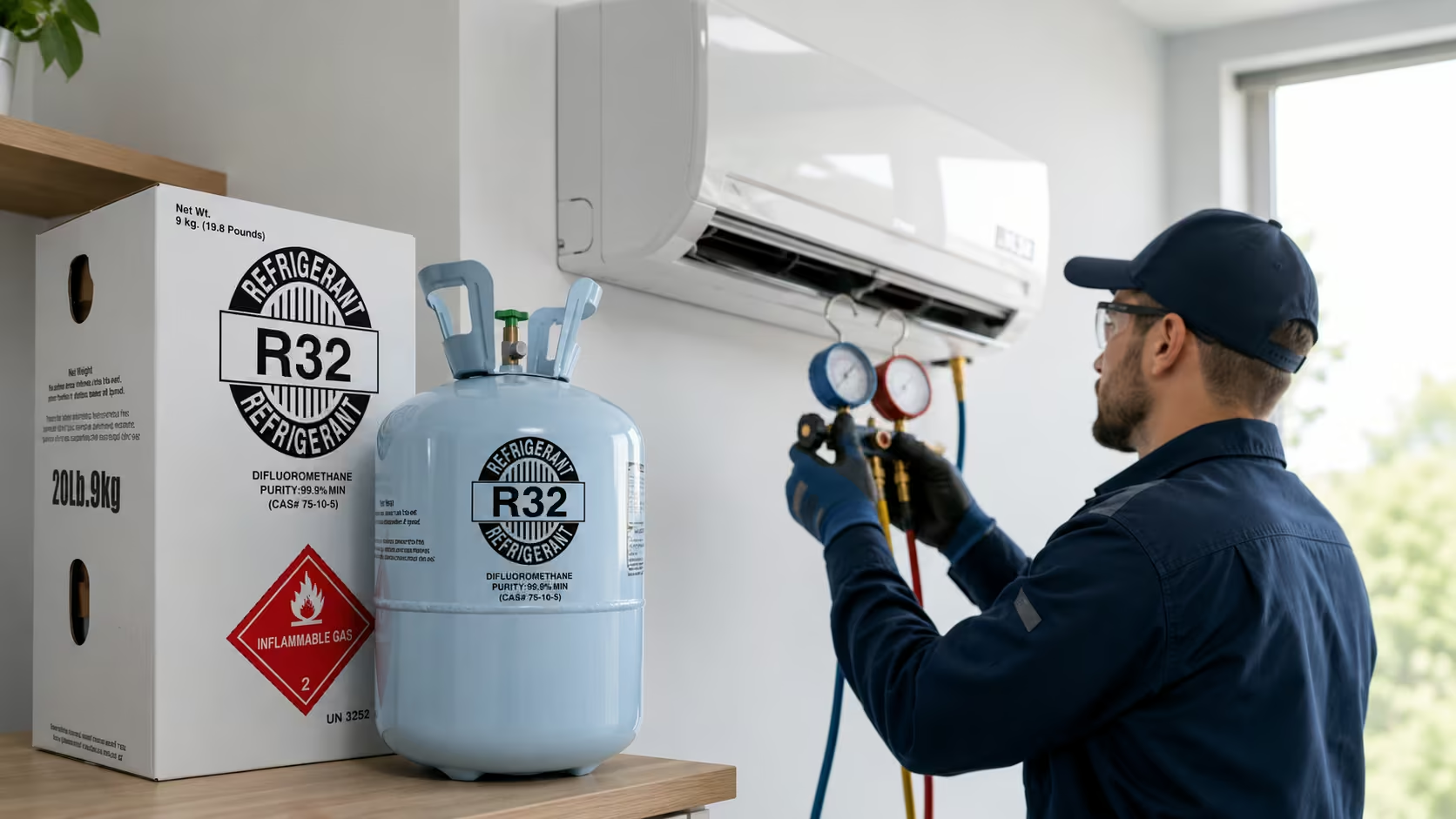
R-32 Refrigerant: Why It’s Replacing R-410A in New Mini-Split Systems
The HVAC industry is going through one of its biggest shifts in decades. R-410A, the refrigerant that powered most residential systems for nearly 30 years, is being phased down under the AIM Act. Contractors and system designers are now scrambling to understand what comes next. The uncertainty is real, and choosing the wrong refrigerant today can cost thousands in equipment changes later.
R-32 refrigerant is emerging as one of the most practical and widely adopted replacements for R-410A, especially in mini-split and ductless systems. It is already the dominant refrigerant in new HVAC equipment sold across Europe, Japan, Australia, and India. Now it is rapidly gaining traction in the United States market. This guide breaks down everything a technician, contractor, or system owner needs to know about R-32 its properties, performance, safety, and future role in the industry.
What Is R-32 Refrigerant and How Does It Work?
R-32, also known as difluoromethane (CH₂F₂), is a single-component HFC refrigerant. Unlike R-410A, which is a blend of R-32 and R-125, pure R-32 contains no zeotropic glide. That means the refrigerant does not fractionate during leaks, making servicing more straightforward. It operates at similar pressures to R-410A, which is why it fits well in modern mini-split equipment without requiring dramatically different tools or training.
R-32 absorbs and releases heat efficiently through the standard vapor-compression refrigeration cycle. It enters the evaporator as a low-pressure liquid, absorbs heat from the indoor air, evaporates into a vapor, gets compressed, releases heat at the condenser, and expands again. This cycle runs with strong thermodynamic efficiency, and R-32’s high latent heat of vaporization means less refrigerant mass is needed to achieve the same cooling output compared to R-410A.
The Chemical and Physical Properties of R-32
R-32 is a colorless, odorless gas at room temperature. Its boiling point is -51.7°C (-61°F), which makes it excellent for heat transfer in air conditioning applications. The critical temperature of R-32 is 78.1°C, and its critical pressure is 5.78 MPa. These properties allow it to operate effectively across a wide range of outdoor ambient temperatures.
The molecular weight of R-32 is approximately 52 g/mol, which is lower than R-410A’s 72.6 g/mol. This lighter molecular weight contributes to its higher energy density. In practical terms, a system using R-32 requires roughly 30% less refrigerant charge by weight compared to an R-410A system with the same capacity rating. That reduction in refrigerant mass has real benefits for both environmental impact and operating cost.
GWP Comparison: R-32 vs R-410A
One of the biggest advantages of R-32 is its Global Warming Potential. R-410A carries a GWP of 2,088, which is why it is being phased down under the EPA’s AIM Act regulations. R-32 has a GWP of 675 approximately 68% lower than R-410A. This dramatic reduction is why equipment manufacturers like Daikin, Mitsubishi, LG, and Fujitsu have shifted their mini-split product lines to R-32 globally.
The lower GWP also has regulatory implications. Equipment using R-32 is less likely to face additional phase-down pressure in the near term compared to higher-GWP alternatives. HVAC contractors who invest in R-32 knowledge and R-32 refrigerant cylinders today are positioning themselves for a longer service window before the next major regulatory change.
R-32 Efficiency Advantages Over R-410A
R-32 delivers measurably better energy efficiency than R-410A in mini-split applications. Independent testing by major manufacturers shows that R-32 systems can be up to 10–12% more energy efficient under equivalent operating conditions. This improvement comes from R-32’s superior thermodynamic properties, particularly its higher coefficient of performance (COP) and volumetric refrigerating capacity.
Because R-32 carries more heat per unit volume, compressors can do more useful work per cycle. This means smaller compressor displacement can deliver the same cooling output, which reduces motor size and electrical draw. For homeowners, this translates directly into lower electricity bills over the life of the system.
Mini-Split Compatibility and System Design
Most new mini-split systems sold in the US market after 2023 are already designed for R-32 or R-454B. Manufacturers have re-engineered compressors, expansion valves, and heat exchangers to optimize performance with R-32’s properties. Technicians working on these systems need to be aware that R-32 requires compatible POE lubricating oil and that system charge amounts are specified differently from R-410A systems.
Charging R-32 is different from charging R-410A blends. Because R-32 is a pure single-component refrigerant, it can be charged as either a liquid or a vapor. In systems equipped with vapor injection ports, vapor charging can be used during system top-up. However, manufacturers typically recommend liquid charging from the high-side port during initial system commissioning to ensure accurate charge weight.
Heat Pump Performance with R-32
R-32 performs exceptionally well in heat pump applications, particularly in cold climates. Its thermodynamic efficiency at low outdoor temperatures is strong, giving R-32-based heat pumps better heating performance in cold weather compared to some alternatives. This is why R-32 dominates the heat pump market in Northern Europe, where heating efficiency at low temperatures is critical.
For HVAC contractors who specialize in heat pump installations, understanding R-32 behavior in heating mode is essential. The discharge temperature of R-32 is higher than R-410A under some conditions, which is why manufacturers have redesigned compressors with appropriate materials and operating limits. Always verify equipment specifications before servicing or retrofitting.
Safety Profile: Is R-32 Safe to Use?
R-32 is classified as an A2L refrigerant by ASHRAE Standard 34. This means it has low toxicity (the “A” designation) but is mildly flammable (the “2L” designation). The “L” in 2L indicates a lower burning velocity specifically, the maximum burning velocity of R-32 is 6.7 cm/s, which is significantly lower than propane or other A3 refrigerants.
This mild flammability classification requires changes in installation practices and equipment design. Systems using R-32 must be installed according to local codes that address A2L refrigerants. In the US, ASHRAE 15, UL standards, and local building codes govern how A2L systems must be installed. The key safety requirements include minimum room size guidelines, leak detection in mechanical rooms, and proper ventilation provisions.
Handling and PPE Requirements for R-32
Technicians working with R-32 should use standard refrigerant safety practices. This includes safety goggles, gloves resistant to refrigerant contact, and proper ventilation. R-32 is heavier than air, so it can accumulate at low points in enclosed spaces. Good ventilation prevents concentration buildup. Refrigerant recovery must be performed before opening any system, following EPA Section 608 regulations.
Cylinders of R-32 should be stored upright in cool, dry areas away from heat sources and direct sunlight. The cylinder pressure increases significantly with temperature, so storage in unconditioned vehicles or warehouses during summer months requires care. Always check that cylinder valves are properly closed and protected by valve caps during storage and transport.
Recovery and Recycling of R-32
R-32 recovery requires an EPA-approved recovery machine compatible with A2L refrigerants. Not all older recovery machines are rated for A2L use, so technicians must verify equipment compatibility before working on R-32 systems. The recovered refrigerant must be stored in properly labeled recovery cylinders and either reclaimed or recycled through an EPA-certified facility.
Because R-32 is a single-component refrigerant, reclaimed R-32 can be returned to specification more easily than blends. Several reclaim facilities now accept R-32, and some refrigerant suppliers offer reclaim credit programs that reduce the cost of replacement refrigerant.
R-32 vs Other Modern HVAC Refrigerants
Understanding how R-32 compares to other current and upcoming refrigerants helps contractors make informed equipment and inventory decisions. The primary alternatives gaining traction in the US market are R-454B and R-466A, while R-410A remains in the existing installed base.
R-454B (sold as Opteon XP44 or Puron Advance) has a GWP of 466, even lower than R-32’s 675. However, R-454B is also an A2L refrigerant and requires purpose-built equipment, meaning it cannot be used as a retrofit for R-410A systems. R-32 shares this characteristic it is not a drop-in replacement for R-410A. Both refrigerants require equipment specifically designed and rated for their use.
R-32 vs R-410A: Side-by-Side Comparison
| Property | R-32 | R-410A |
| GWP | 675 | 2,088 |
| Safety Class | A2L | A1 |
| Efficiency | ~10–12% better COP | Baseline |
| Refrigerant Charge | ~30% less by weight | Baseline |
| Boiling Point | -51.7°C | -51.4°C |
Both refrigerants operate at similar pressures, which is why equipment designs can adapt from R-410A to R-32 without radical engineering changes. However, this similarity does not mean R-32 is a drop-in refrigerant for existing R-410A equipment. Equipment must be specifically rated for R-32 due to the A2L safety requirements and optimized system designs.
R-32 Global Adoption Timeline
Globally, R-32 has been the standard refrigerant in new mini-split and ductless systems since around 2015 in Japan and 2018 across most of Europe and Australia. Daikin, which patented several key R-32 technologies, has been the leading advocate for the refrigerant globally. In the US, adoption accelerated after 2023 as the AIM Act phase-down of R-410A in new equipment took effect beginning January 1, 2026.
The US adoption of R-32 is primarily in the split system and mini-split categories. Large commercial chillers and rooftop units are more likely to adopt R-454C or ammonia-based systems. Technicians working primarily in the residential and light commercial space will find R-32 to be the most commonly encountered next-generation refrigerant in new equipment.
Buying R-32 Refrigerant: What to Look For
When purchasing R-32 refrigerant, quality and compliance are the two most critical factors. Virgin-grade R-32 meets AHRI 700 purity standards, ensuring consistent system performance and protection of compressor oil. Reclaimed or recycled R-32 must also meet AHRI 700 specifications before being recharged into equipment, but virgin-grade product eliminates uncertainty about purity.
Always purchase from suppliers who provide DOT-compliant cylinders with proper labeling, safety data sheets, and certificates of conformance. Counterfeit or off-spec refrigerant is a real problem in the industry and can cause compressor failure, warranty voiding, and system inefficiency. Smart Refrigerants offers R-32 refrigerant in 20lb virgin cylinders that are DOT-approved and EPA-compliant, shipped directly to contractors and service companies across the US.
Cylinder Sizes and Pricing Considerations
R-32 is typically available in 20lb and 25lb cylinders for service and maintenance applications. Larger bulk cylinders are available for distributors and high-volume shops. The price of R-32 has varied with regulatory changes and demand increases, but it generally remains competitive with R-410A on a per-pound basis, especially when accounting for the lower charge weights required per system.
Contractors should plan inventory based on their expected service volume for R-32 equipment. As the installed base of R-32 equipment grows through 2026 and beyond, demand for service refrigerant will increase substantially. Building a relationship with a reliable supplier now ensures consistent access to product at competitive prices.
How to Handle the Transition from R-410A to R-32
The transition from R-410A to R-32 and other next-generation refrigerants requires contractors to take concrete steps to prepare their businesses and service operations. The most important step is training. EPA Section 608 certification is required for all technicians who purchase refrigerant and service equipment, but additional manufacturer training on specific A2L systems is strongly recommended.
Tool upgrades are also necessary. Manifold gauge sets, vacuum pumps, and recovery equipment must be rated for use with A2L refrigerants. Recovery machines that are not A2L-rated should not be used on R-32 systems. Several major tool manufacturers have updated their product lines to address this requirement.
Updating Business Operations for A2L Refrigerants
HVAC companies need to update their safety training protocols for A2L refrigerants. Technicians must understand the mild flammability characteristics of R-32 and follow proper procedures for leak detection, ventilation, and system opening. Vehicle storage of cylinders should follow DOT guidelines, with cylinders transported and stored according to A2L safety requirements.
Company record-keeping must also reflect the new refrigerants being serviced. EPA Section 608 requirements for refrigerant tracking apply to all regulated refrigerants, including R-32. Keeping accurate records of refrigerant purchased, used, and recovered protects the business in the event of an inspection and demonstrates regulatory compliance.
8 Frequently Asked Questions About R-32 Refrigerant
Q1: Is R-32 a drop-in replacement for R-410A?
No. R-32 is not a drop-in replacement for R-410A. Equipment must be specifically designed and rated for R-32. Using R-32 in a system designed for R-410A can cause equipment damage and creates a safety hazard due to R-32’s A2L flammability classification.
Q2: What safety class is R-32?
R-32 is classified as A2L by ASHRAE Standard 34. This means low toxicity and mildly flammable with a low burning velocity. It is safer to handle than A2 or A3 refrigerants but requires A2L-rated equipment and installation procedures.
Q3: Is R-32 being phased out under the AIM Act?
Not in the near term. R-32 has a GWP of 675, which places it below the AIM Act’s initial phase-down thresholds for new equipment. It is considered a mid-term bridging refrigerant with good regulatory standing for the next several years.
Q4: Can R-32 be charged as a vapor?
Yes. Because R-32 is a single-component pure refrigerant with no temperature glide, it can be charged as either a liquid or a vapor. Manufacturer guidelines for the specific equipment being serviced should always be followed.
Q5: What oil is used with R-32?
R-32 is compatible with POE (polyolester) lubricating oil, the same oil class used with R-410A. The specific oil viscosity and quantity are specified by the equipment manufacturer and must be followed precisely.
Q6: How much R-32 does a mini-split system need?
Charge amounts vary by system capacity and design. R-32 systems typically require about 30% less refrigerant by weight than equivalent R-410A systems. The exact charge amount is always specified on the equipment nameplate and in the manufacturer’s service documentation.
Q7: Where can I buy R-32 refrigerant in the US?
R-32 refrigerant is available from refrigerant suppliers and HVAC distributors. Smart Refrigerants offers DOT-approved, EPA-compliant virgin R-32 in 20lb cylinders with fast shipping to contractors across the United States.
Q8: Does working with R-32 require special certification?
EPA Section 608 certification is required to purchase R-32 refrigerant. Additional training on A2L refrigerant handling is strongly recommended and may be required by equipment manufacturers for warranty purposes.
Conclusion
R-32 refrigerant is not a future technology it is the present reality in new mini-split and ductless HVAC equipment. Its combination of lower GWP, higher efficiency, and single-component simplicity makes it one of the most practical refrigerants available for the residential and light commercial market. Technicians who invest in understanding R-32 now will be well ahead of the curve as the installed base of R-32 equipment grows through 2026 and beyond.
Smart Refrigerants carries R-32 refrigerant in 20lb virgin cylinders that are DOT-approved and EPA-compliant, ready to ship directly to HVAC contractors and service companies across the US. If your team is servicing modern mini-split systems or preparing for the refrigerant transition, having R-32 stock on hand is an essential part of staying ready.
Unused keywords for reference: silver state refrigeration and hvac, foxcroft hvac & refrigeration, variable refrigerant flow hvac system