

Most homeowners run their air conditioner every day without thinking about what actually makes it cool. The answer is HVAC refrigerant a chemical substance that moves heat from inside a building to the outside. Without it, no modern cooling system works at all.
Understanding refrigerant helps homeowners make smarter decisions. It helps them recognize when a system is low on refrigerant, understand why certain refrigerants cost more than others, and know what to ask an HVAC technician during a service call. This guide covers seven essential facts about HVAC refrigerant that every homeowner and contractor should know.
What Is HVAC Refrigerant and How Does It Work?
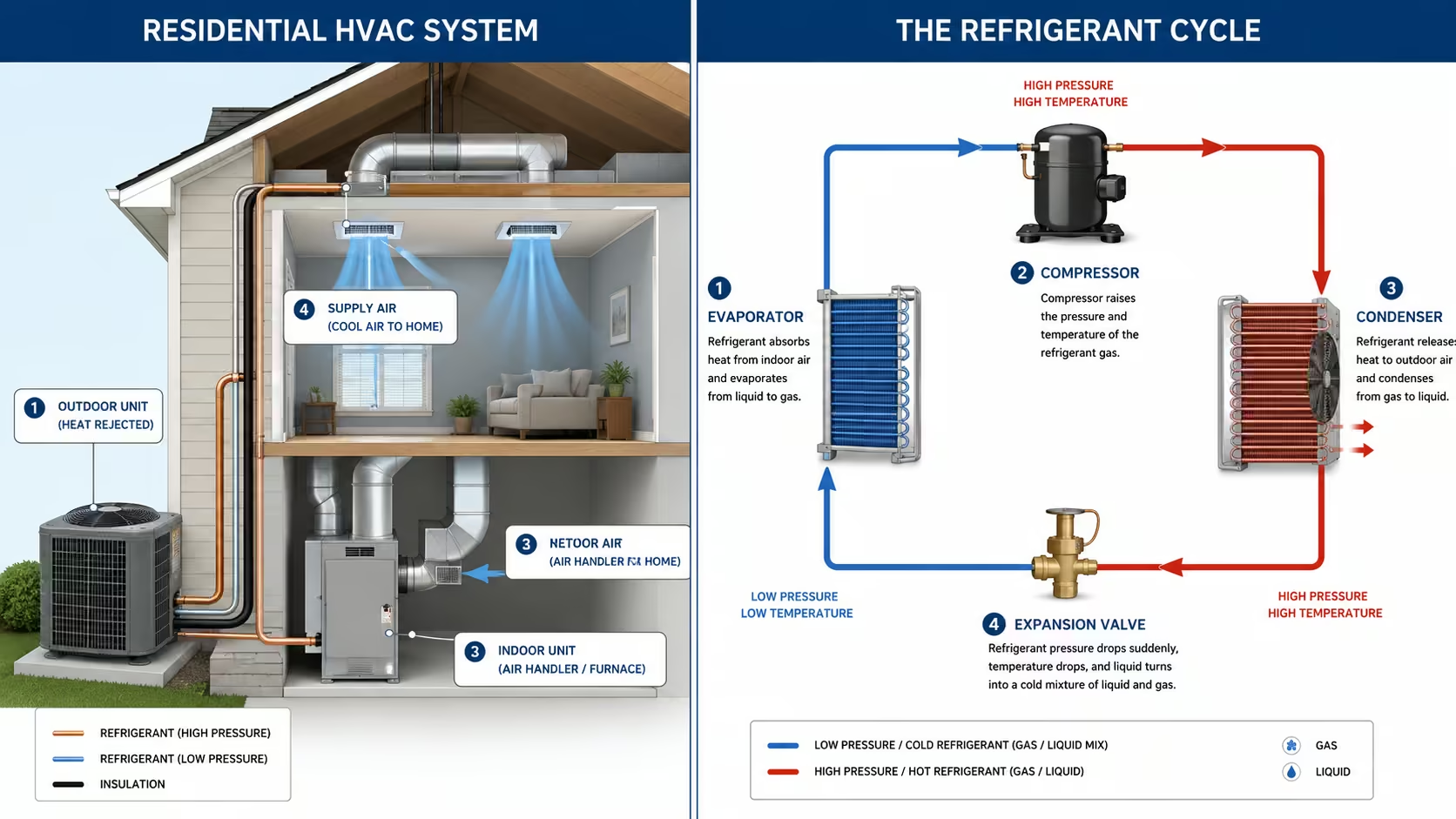
HVAC refrigerant is a chemical compound that absorbs heat from indoor air and releases that heat outside. It moves through a closed loop inside the air conditioning system, changing between a liquid and a gas as it travels. This change of state is what allows the system to transfer thermal energy efficiently.
The refrigerant starts as a low-pressure gas. It flows into the compressor, which pressurizes it into a high-pressure, high-temperature gas. That hot gas then travels to the condenser coil outside the building, where it releases its heat to the outdoor air and becomes a liquid. The liquid refrigerant then passes through an expansion valve, which drops the pressure and temperature. Finally, the cold refrigerant enters the evaporator coil inside the building, where it absorbs heat from the indoor air. The air blowing over the evaporator coil feels cold because the refrigerant is pulling heat out of it.
The Role of the Compressor in the Refrigerant Cycle
The compressor is the heart of the refrigeration cycle. It pressurizes the refrigerant and forces it to move through the entire system. Without a working compressor, the refrigerant cannot cycle properly, and cooling stops entirely.
Compressors are designed to work with specific refrigerant types. A system built for R-410A uses a compressor designed for higher pressures. A system built for older R-22 uses a different design. Using the wrong refrigerant in any compressor can cause mechanical failure, void warranties, and create safety hazards.
Why Refrigerant Does Not Get Used Up
Many homeowners believe that refrigerant gets consumed over time like fuel. This is a common misconception. Refrigerant is not consumed during normal operation. The system uses the same refrigerant over and over in a closed loop.
If a system is low on refrigerant, that means there is a leak. A trained EPA-certified technician must find and repair the leak before adding more refrigerant. Simply adding refrigerant without fixing the leak is wasteful, expensive, and potentially illegal depending on the refrigerant type.
The 7 Most Important Facts About HVAC Refrigerant
HVAC refrigerants are more complex than most people realize. The following facts give a clear picture of how refrigerant fits into the broader world of cooling technology.
The first fact is that refrigerant type matters more than most homeowners know. Different refrigerants have different chemical compositions, pressure profiles, and system requirements. The second fact is that not all refrigerants are interchangeable. Mixing refrigerant types in a system causes compressor damage and system failure. The third important fact is that refrigerants are regulated by the EPA under Section 608 of the Clean Air Act. Technicians must be certified to purchase and handle regulated refrigerants.
Fact 4 – Refrigerants Are Classified by Safety and Environmental Impact
Every refrigerant carries an ASHRAE safety classification. The classification has two parts a letter and a number. The letter indicates toxicity (A for low toxicity, B for higher toxicity). The number indicates flammability (1 for non-flammable, 2L for mildly flammable, 3 for highly flammable).
R-410A carries an A1/A1 rating, meaning it is non-toxic and non-flammable. R-454B, the next-generation replacement for R-410A, carries an A2L rating. This means it is slightly flammable under certain conditions, which is why equipment manufacturers design special systems to safely contain it.
Fact 5 – Global Warming Potential (GWP) Is Changing the Industry
Global Warming Potential (GWP) measures how much heat a greenhouse gas traps in the atmosphere compared to carbon dioxide over 100 years. Refrigerants with high GWP are being phased out globally. This is driving the shift from older HFC refrigerants like R-410A (GWP of 2,088) toward newer HFO refrigerants like R-454B (GWP of 466) and R-1234yf (GWP of 4).
The refrigerant industry is undergoing its biggest transition in decades. HVAC professionals who understand GWP are better prepared to advise customers, select the right products, and meet regulatory requirements.
Types of Refrigerants Used in HVAC Systems Today
Modern HVAC systems use several distinct types of refrigerant. Each type has specific applications, advantages, and limitations. Understanding these categories helps technicians select the right refrigerant and helps customers understand why certain products cost more.
HCFCs (Hydrochlorofluorocarbons) include the now-phased-out R-22. These refrigerants contain chlorine, which depletes the ozone layer. Production of virgin R-22 in the United States ended in 2020. Today, only reclaimed or previously stockpiled R-22 can be used to service existing systems.
HFCs – The Current Industry Standard
HFCs (Hydrofluorocarbons) replaced HCFCs as the mainstream HVAC refrigerant. They contain no chlorine and do not deplete the ozone layer. R-410A is the most widely used HFC refrigerant in residential and commercial cooling systems installed between the late 1990s and 2025.
Other important HFC refrigerants include R-404A for low-temperature commercial refrigeration, R-407C for split systems and heat pumps, and R-134A for automotive air conditioning. HFCs have higher GWP values than their successor generation, which is why regulations are now pushing toward the next generation of refrigerants. If you are servicing modern systems, you can find premium HVAC refrigerant cylinders at SmartRefrigerants.com to keep your inventory stocked.
HFOs – The Next Generation of Refrigerants
HFOs (Hydrofluoroolefins) are the newest class of refrigerants. They have dramatically lower GWP values than HFCs and do not deplete the ozone layer. R-1234yf has a GWP of just 4. R-454B has a GWP of 466, compared to R-410A’s GWP of 2,088.
HFOs are now being used in new HVAC equipment manufactured after the EPA’s AIM Act phasedown requirements began taking effect. HVAC contractors who stock R-454B are positioning themselves for the growing market of new equipment that requires it.
Why Refrigerant Purity Matters for HVAC Performance
Refrigerant purity is not just a marketing claim it directly affects system performance, equipment longevity, and warranty compliance. Virgin refrigerant is refrigerant that has never been used, reclaimed, or recycled. It meets AHRI 700 standards for chemical purity.
Reclaimed refrigerant has been recovered from a system and reprocessed. While reclaimed refrigerant that meets AHRI 700 standards is technically acceptable, the risk of contamination is higher than with virgin product. Contamination from moisture, air, or other refrigerants can cause compressor damage, oil degradation, and inconsistent cooling performance.
How Contaminated Refrigerant Damages Systems
When refrigerant contains moisture, that moisture reacts with the compressor oil and refrigerant to form acids. These acids attack copper tubing, valve seats, and compressor windings. The result is premature equipment failure that can cost thousands of dollars to repair or replace.
Air contamination in a refrigerant cylinder raises the operating pressure of the system. This makes the compressor work harder and can cause high-pressure lockout events, wasted energy, and compressor burnout. Using virgin-sealed refrigerant from a trusted supplier eliminates these risks entirely.
What AHRI 700 Standard Means for Buyers
AHRI 700 is the industry standard that defines refrigerant purity requirements. It sets maximum allowable levels of moisture, air, non-condensables, and other contaminants. When a refrigerant is labeled as meeting AHRI 700 standards, it has been tested and verified to meet these purity thresholds.
Smart HVAC professionals always verify that the refrigerant they purchase meets AHRI 700. All products at SmartRefrigerants.com are virgin-grade and AHRI 700 compliant, ensuring customers receive refrigerant that protects their systems and their professional reputation.
EPA Regulations and Refrigerant Compliance
The Environmental Protection Agency (EPA) regulates refrigerant handling under Section 608 of the Clean Air Act. These regulations affect who can buy certain refrigerants, how they must be handled, and what records must be kept.
Under EPA Section 608, technicians who purchase refrigerants for use in stationary cooling systems must hold an EPA Section 608 certification. This certification requires passing a proctored exam covering refrigerant handling, recovery, and recycling procedures. It is illegal for uncertified individuals to purchase refrigerants in containers larger than two pounds.
The AIM Act and Its Impact on HVAC Refrigerants
The AIM Act (American Innovation and Manufacturing Act) gave the EPA authority to phase down the production and use of high-GWP HFC refrigerants in the United States. The EPA has been implementing this phasedown in stages, requiring manufacturers to shift toward lower-GWP alternatives.
For HVAC contractors, the AIM Act means that R-410A is being phased out of new equipment. New residential air conditioners manufactured after January 1, 2025 are required to use refrigerants with lower GWP. However, R-410A remains essential for servicing the enormous installed base of existing systems. You can read more about how the R-410A to R-454B transition affects HVAC contractors on our resource center.
Proper Refrigerant Recovery and Disposal
EPA regulations require that refrigerant be recovered from systems before any service, repair, or disposal activity. Technicians must use certified recovery equipment and must not intentionally vent refrigerant into the atmosphere. Violations can result in significant fines.
Proper refrigerant management also includes keeping accurate records of refrigerant purchases, amounts used, and amounts recovered. These records protect contractors in the event of an EPA audit and demonstrate professional compliance with environmental regulations.
How to Know If Your HVAC System Needs Refrigerant
A system that is low on refrigerant shows specific symptoms. Recognizing these symptoms early saves money and prevents compressor damage. The most common signs include reduced cooling performance, longer run times, ice formation on the evaporator coil, and unusually high electricity bills.
When indoor air feels warm even though the system is running, that is often the first sign. The evaporator coil needs refrigerant to stay cold enough to absorb heat. Without sufficient refrigerant, the coil cannot do its job, and the air coming through the vents is less cool than it should be.
Why Ice on the Evaporator Coil Is a Warning Sign
Ice on the evaporator coil seems contradictory the system is supposed to cool air, so why is ice a problem? The answer involves refrigerant pressure. When refrigerant levels drop, the pressure in the evaporator coil also drops. Lower pressure means lower temperature. The coil gets so cold that moisture in the air freezes on its surface.
Once ice forms on the coil, it blocks airflow. The less airflow there is, the less heat the coil can absorb, which causes more ice to form. This cycle continues until airflow stops completely and the system cannot cool at all. At that point, the system must be turned off to let the ice melt before any repair can happen.
What Technicians Check During a Refrigerant Service Call
During a refrigerant service call, a certified technician uses manifold gauges to measure the operating pressures of the system. By comparing these pressures to the manufacturer’s specified values for the refrigerant type in the system, the technician can determine whether refrigerant levels are correct.
The technician also checks for leaks using electronic leak detectors, UV dye, or nitrogen pressure tests. Before any refrigerant is added, the leak must be identified and repaired. Adding refrigerant to a leaking system is a temporary fix that wastes money and harms the environment.
Choosing the Right HVAC Refrigerant Supplier
The quality of refrigerant purchased directly affects the quality of service delivered. HVAC contractors who buy from unreliable suppliers risk purchasing contaminated, mislabeled, or diluted refrigerant. These problems are difficult to detect at the time of purchase but show up as system performance problems later.
A reliable refrigerant supplier provides products that are certified virgin grade, sealed at the factory, and compliant with all applicable EPA and DOT regulations. They also provide clear documentation, fast shipping, and responsive customer support.
What to Look for in a Refrigerant Supplier
The best refrigerant suppliers offer DOT-certified cylinders, AHRI 700 compliant refrigerant, transparent product specifications, and competitive pricing. They maintain adequate inventory to avoid supply shortages during peak demand seasons. They also understand the regulatory environment and help contractors stay compliant.
SmartRefrigerants.com stocks a full range of HVAC and automotive refrigerants including R-410A, R-454B, R-404A, R-407C, R-22, R-134A, and R-1234yf. All products are virgin grade, factory sealed, and ship fast from US warehouses.
8 Frequently Asked Questions About HVAC Refrigerant
Q1: What refrigerant does my home AC use?
Most residential AC systems installed between the late 1990s and 2024 use R-410A. Systems installed after January 2025 likely use R-454B or R-32. Check the equipment label on your outdoor unit for the correct refrigerant type.
Q2: Can I add refrigerant to my AC myself?
No. EPA regulations require Section 608 certification to purchase and handle most refrigerants. Adding refrigerant incorrectly can also damage your system and create safety hazards. Always use a certified HVAC technician.
Q3: How often does refrigerant need to be replaced?
Refrigerant does not wear out under normal operation. If levels are low, there is a leak. Fix the leak first, then have a technician recharge the system.
Q4: Is R-410A still available?
Yes. R-410A is still available for servicing existing systems and will remain available for many years. However, it is no longer used in new residential equipment manufactured after January 1, 2025.
Q5: What is the difference between virgin and reclaimed refrigerant?
Virgin refrigerant has never been used. Reclaimed refrigerant has been recovered and reprocessed. Virgin refrigerant meets stricter purity standards and is the preferred choice for protecting equipment.
Q6: What does low refrigerant feel like in a home?
The home feels warmer than it should, the AC runs longer than normal, energy bills increase, and sometimes ice forms on the indoor coil. These are all signs of low refrigerant.
Q7: What is the newest HVAC refrigerant?
R-454B is the primary next-generation refrigerant for residential and commercial HVAC. R-32 is also growing in use. Both have much lower GWP than R-410A.
Q8: Why is refrigerant regulated by the EPA?
Refrigerants can damage the ozone layer and contribute to climate change when released into the atmosphere. EPA regulations under Section 608 and the AIM Act control refrigerant handling to minimize environmental impact.
Conclusion
HVAC refrigerant is the invisible engine behind every cooling system in every home, office, and commercial building. Understanding how it works, why purity matters, and how regulations shape its use gives homeowners and contractors alike the knowledge to make better decisions.
Whether a system needs a recharge, a technician is stocking up for peak season, or a facility manager is planning equipment upgrades, refrigerant knowledge is the foundation of every smart cooling decision. For virgin-grade, DOT-compliant, fast-shipping refrigerant solutions, visit SmartRefrigerants and explore the full product range.