

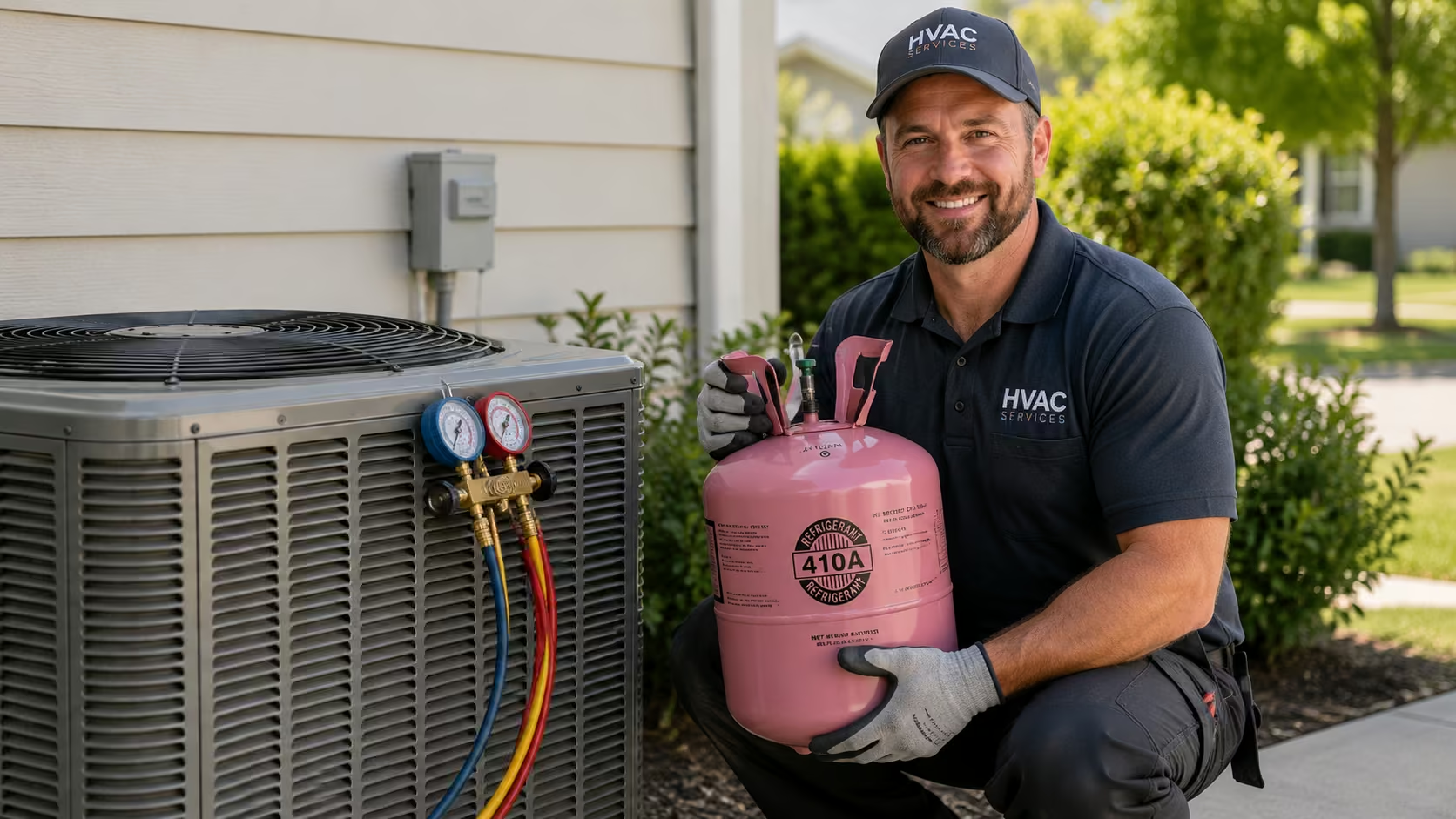
For nearly three decades, R-410A refrigerant was the undisputed standard for residential and light commercial air conditioning in the United States. Millions of systems run on it. Thousands of HVAC contractors have built their businesses around it. And even as the industry transitions to lower-GWP alternatives, R-410A remains one of the most important refrigerants on the market today.
This guide covers five critical things every HVAC professional must know about R-410A from its chemistry and performance characteristics to the regulatory changes that are reshaping how it is bought and sold. Whether someone is a seasoned contractor or a newer technician building their knowledge base, this information is essential for staying competitive in a changing market.
What Is R-410A and Why Did It Replace R-22?
R-410A is a hydrofluorocarbon (HFC) refrigerant blend made from two components: R-32 (50%) and R-125 (50%). It was developed in the early 1990s as a replacement for R-22 (HCFC-22), which was identified as an ozone-depleting substance under the Montreal Protocol.
R-22 contained chlorine, which attacks the stratospheric ozone layer when released into the atmosphere. R-410A contains no chlorine, giving it an ozone depletion potential (ODP) of zero. This made it the preferred choice as global regulations began phasing out chlorine-containing refrigerants throughout the 1990s and 2000s.
The Chemistry That Makes R-410A Effective
R-410A works at significantly higher operating pressures than R-22. While R-22 operates at around 70 psi on the low side and 250 psi on the high side in typical conditions, R-410A operates at around 120 psi on the low side and 400 psi on the high side. This higher pressure allows R-410A to absorb and transfer more heat per unit of refrigerant, which is why systems using it deliver up to 60% greater cooling capacity compared to equivalent R-22 systems.
These higher pressures require equipment specifically designed for R-410A. Using R-410A in a system designed for R-22 would cause dangerous overpressure and immediate component failure. The distinction is critical for any HVAC technician working with older equipment during retrofits or replacements.
Why R-410A Became the Dominant Residential Refrigerant
The transition from R-22 to R-410A accelerated when the EPA prohibited the manufacture and import of R-22 for new equipment in 2010. Equipment manufacturers redesigned their product lines around R-410A, which offered superior energy efficiency, better heat transfer, and compatibility with the synthetic polyol ester (POE) lubricants used in modern compressors.
By the early 2010s, virtually all new residential air conditioners and heat pumps in the United States used R-410A. Contractors who stocked it had a competitive advantage. Today, the installed base of R-410A systems is enormous and will require service for another 10 to 15 years at minimum.
R-410A Performance Characteristics Every Technician Should Know
Understanding the performance characteristics of R-410A helps technicians diagnose problems, optimize system operation, and make accurate service decisions. The following characteristics are the most important for field work.
Pressure-temperature relationship: R-410A is a near-azeotropic blend, meaning its components do not significantly separate during normal operation. Its pressure-temperature relationship is predictable and consistent, which makes gauge readings reliable for diagnosing system status.
Understanding Glide in R-410A Blends
R-410A has minimal temperature glide approximately 0.1°C. This tiny glide makes it behave almost like a pure refrigerant in most service situations. Technicians do not need to make significant adjustments for glide during normal service operations, which simplifies charging procedures and diagnostic work.
This is one of the reasons R-410A became so popular with HVAC professionals. It is easier to work with than refrigerant blends that have larger temperature glide values, such as R-407C, which requires technicians to account for temperature variations between the bubble point and dew point during service.
Compatible Lubricants for R-410A Systems
R-410A systems require polyol ester (POE) lubricant. POE oil is miscible with R-410A, meaning it mixes properly with the refrigerant and circulates through the system without separating. Using the wrong lubricant such as the mineral oil used in R-22 systems would cause lubrication failure and compressor damage.
When servicing an R-410A system, technicians must ensure that any oil added to the system is the correct POE grade specified by the equipment manufacturer. Mixing lubricants or using the wrong type will cause performance problems and premature equipment failure.
The R-410A Phase-Out What Contractors Need to Know Right Now
The most significant development affecting R-410A in recent years is the EPA’s implementation of the AIM Act phasedown. This regulation is fundamentally changing how R-410A is produced, sold, and used across the HVAC industry.
The AIM Act gives the EPA authority to reduce HFC production and consumption in the United States by 85% below historical baseline levels over the next 15 years. As part of this phasedown, the EPA has restricted R-410A from being used in new residential HVAC equipment manufactured after January 1, 2025.
New Equipment Is Switching to R-454B
Equipment manufacturers have largely transitioned their new product lines to R-454B, a next-generation refrigerant with a GWP of 466 approximately 78% lower than R-410A’s GWP of 2,088. R-454B is classified as A2L (mildly flammable) under ASHRAE safety standards.
This means new equipment sold after January 2025 requires R-454B for service, not R-410A. HVAC contractors must ensure they stock R-454B to service these new systems. They must also be aware of the A2L safety protocols required when handling mildly flammable refrigerants. Learn more about R-454B refrigerant and how it compares to R-410A in our dedicated product guide.
What Happens to Existing R-410A Systems
The phase-out of R-410A from new equipment does not mean existing R-410A systems stop being supported. Millions of residential and commercial systems installed before 2025 will continue to operate and require service for years to come. Contractors will still need to purchase and handle R-410A refrigerant throughout this transition period.
Industry analysts estimate that the installed base of R-410A systems in the United States will remain the largest segment of the market for at least another decade. Contractors who maintain reliable R-410A inventory will continue to serve this massive market while simultaneously building capabilities in newer refrigerants.
Why Virgin-Sealed R-410A Matters for System Performance
Not all R-410A refrigerant is the same. The difference between virgin-sealed and reclaimed refrigerant affects system performance, equipment longevity, and warranty compliance in significant ways that contractors should understand.
Virgin R-410A is refrigerant that has been produced from raw chemical materials, never used in any system, and sealed at the factory under controlled conditions. It meets AHRI 700 purity standards, ensuring correct chemical composition and absence of contaminants.
The Risks of Using Contaminated or Reclaimed Refrigerant
Reclaimed refrigerant that has been improperly processed can contain moisture, air, lubricant residue, or even fragments of other refrigerant types. Each of these contaminants causes specific types of damage. Moisture promotes acid formation that attacks copper components. Air raises system pressure and causes compressor overload. Foreign lubricants disrupt oil circulation and cause lubrication failures.
The cost of damage caused by contaminated refrigerant far exceeds the cost savings of purchasing reclaimed product. Beyond the financial impact, using low-quality refrigerant can damage the professional reputation of a contractor whose customers experience repeated system problems.
How to Verify Refrigerant Quality Before Purchasing
When purchasing R-410A or any refrigerant, buyers should verify that the product is supplied in factory-sealed cylinders with intact tamper-evident seals. The cylinder should display the correct product markings, DOT certification information, and lot number. Reputable suppliers provide documentation confirming AHRI 700 compliance and product authenticity.
SmartRefrigerants.com supplies only virgin-grade, factory-sealed R-410A in 25lb cylinders, sourced from trusted manufacturers including Honeywell. Every cylinder is DOT-approved, EPA-compliant, and ready for immediate use in professional HVAC applications.
Buying R-410A Refrigerant What Professionals Should Know
Purchasing R-410A refrigerant involves regulatory requirements, supplier selection, and cost management considerations. Understanding these factors helps contractors make better purchasing decisions.
EPA Section 608 certification is required to purchase R-410A in containers larger than two pounds. The certification demonstrates competency in refrigerant handling, recovery, and recycling skills that are fundamental to professional HVAC practice. Contractors should ensure their team members hold current Section 608 certifications before making refrigerant purchases.
Choosing the Right Cylinder Size for Your Business
R-410A is available in several cylinder sizes. The 25lb cylinder is the most popular for HVAC contractors. It holds enough refrigerant for multiple residential service calls, balances well between portability and capacity, and stores conveniently in service vehicles and warehouses.
For high-volume operations, 25lb cylinders in multi-packs or pallet orders reduce per-unit cost and minimize the frequency of reordering. SmartRefrigerants.com offers single cylinders for smaller operations and bulk pricing for contractors with high-volume needs.
Managing Refrigerant Inventory During the Transition Period
The industry transition to R-454B creates inventory management challenges. Contractors need to maintain adequate R-410A stock for existing system service while building inventory of R-454B for new equipment. Overstocking either refrigerant wastes capital; understocking risks service delays.
A practical approach involves monitoring the ratio of R-410A to R-454B service calls in the business, then aligning inventory accordingly. SmartRefrigerants.com provides fast shipping from US warehouses, which allows contractors to order more frequently in smaller quantities rather than carrying large, capital-intensive inventories.
8 Frequently Asked Questions About R-410A Refrigerant
Q1: Is R-410A the same as Freon?
Freon is a brand name owned by Chemours. R-410A is a specific refrigerant blend. While people sometimes use “Freon” generically to mean any refrigerant, R-410A is not technically Freon. The original Freon brand refrigerants include R-12 and R-22.
Q2: Can R-410A be used in older R-22 systems?
No. R-410A operates at much higher pressures than R-22. Using R-410A in an R-22 system will damage or destroy the compressor and other components. An R-22 system must be replaced with R-410A-rated equipment, not just recharged with R-410A.
Q3: What color is an R-410A cylinder?
R-410A cylinders are pink (rose) by industry convention. This color coding helps technicians identify refrigerant types quickly and avoid accidental mixing.
Q4: How long does R-410A last in a system?
R-410A does not degrade under normal operating conditions. A properly sealed system can run on the same refrigerant charge indefinitely. If levels drop, it indicates a leak, not consumption.
Q5: Can R-410A be mixed with other refrigerants?
No. Mixing refrigerants in a system causes unpredictable performance, incorrect pressure readings, and compressor damage. Never mix R-410A with any other refrigerant.
Q6: Is R-410A still being manufactured?
Yes, R-410A is still manufactured and sold for servicing existing systems. Production will continue for many years to support the massive installed base of R-410A equipment.
Q7: What is the GWP of R-410A?
R-410A has a Global Warming Potential of 2,088 relative to carbon dioxide over a 100-year period. This high GWP is the primary reason it is being phased out of new equipment.
Q8: Where can contractors buy virgin R-410A refrigerant?
SmartRefrigerants.com offers 25lb virgin-sealed R-410A cylinders in single and bulk quantities, with fast nationwide shipping, DOT certification, and EPA-compliant packaging.
Conclusion
R-410A refrigerant built the modern HVAC industry, and it will continue to be an essential product for years to come. Understanding its chemistry, performance characteristics, regulatory status, and the importance of refrigerant quality helps contractors deliver better service and build more profitable businesses.
As the industry transitions toward next-generation refrigerants like R-454B, contractors who understand R-410A thoroughly will have the foundational knowledge to adapt quickly. For virgin-grade R-410A cylinders with fast shipping and professional-grade documentation, visit SmartRefrigerants and place your order today.